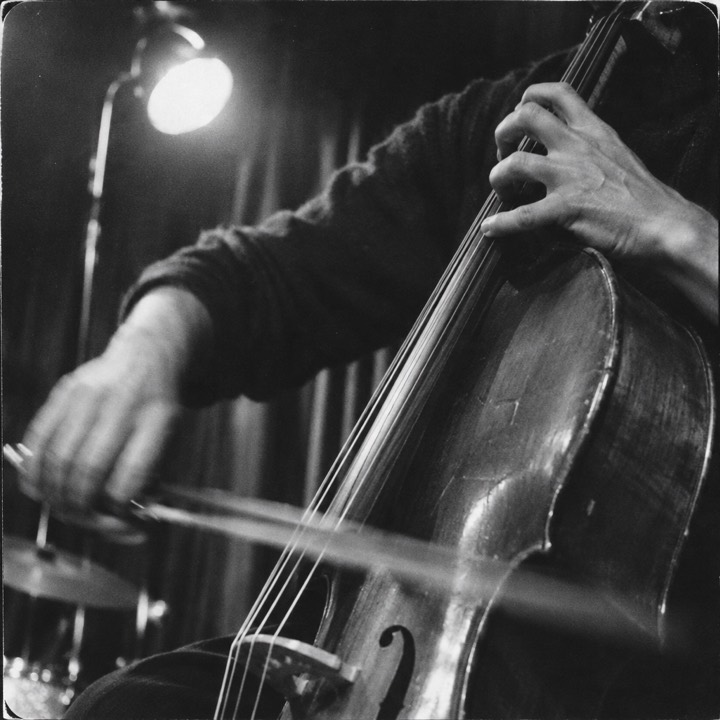
No two concerts are alike. An evening in a small club, at the philharmonic and in an arena for well over ten thousand people are three different experiences. If you know what to expect, it is easier to choose and fewer things surprise you on the night.
Types of venue and what follows from them
At a music club you stand close to the stage, the sound is loud and the audience ranges from a few dozen to a few hundred people. Places are usually unreserved, so where you stand depends on when you arrive. It is a good choice if you want to see the performer up close and do not mind a crowd.
At a philharmonic hall (in Poland, the usual name for a city’s symphony concert hall and orchestra), an opera house or a concert hall, you sit in a numbered seat and silence is expected during the pieces. Latecomers are often let in only in the pause between pieces or after the first half. The programme is known in advance and is worth looking through before you go.
At a large arena, tickets are divided into the standing floor and the stands. The floor is standing room in front of the stage; the stands are numbered seats further back and higher up. On top of that come security checks at the entrance, queues for the cloakroom and a longer wait to leave the building. Open-air concerts have similar rules and also depend on the weather.
How to read the times
On the ticket and in the programme you may see two times: doors and start. Doors is when staff start letting the audience in. The start is the planned beginning of the first act, which is often the support, the performer who plays before the headliner. The main concert may therefore begin an hour or more after the time on your ticket.
In our programme we show the time the source gave, most often the start time. If you want to know when the headliner comes on, look for the stage times on the organiser’s website or on their social media on the day of the concert.
Choosing a ticket
For standing events there is usually a single price, sometimes with a more expensive zone closer to the stage. For seated events the price depends on the section. Cheaper seats are further back or to the side, which in a hall with good acoustics makes little difference to the sound but does change the view. If the view matters to you, look at the seating plan before you buy.
Pay attention to age restrictions. Some clubs admit adults only, and some require under-18s to come with a parent or guardian. The information is in the event description on the organiser’s website. For a concert with such a restriction, bring photo ID.
Before you go
Check how you will receive your ticket. It is worth saving an e-ticket on your phone so that it opens without an internet connection, because the network is often overloaded at the entrance to large venues. Charge your phone. If the ticket is in your name, bring ID.
Plan your journey there and back. After a big concert thousands of people leave at the same time, so car parks and stops near the venue are crowded. Check in advance when the last tram, bus or train leaves in your direction. Organisers of big events also publish a list of items that are not allowed in. Most often these are large backpacks, glass bottles and professional camera equipment.
At the venue
Leave plenty of time. Ticket checks and the cloakroom take anything from a few minutes at a club to half an hour or more at an arena. If you want a spot by the stage at a standing concert, be there when the doors open.
Concerts can be loud enough for your ears to feel it after a few hours. Earplugs designed for music listeners lower the volume without distorting the sound and fit in a pocket. They are especially useful in clubs and close to the speakers. If you are going with a child, ear defenders are a sensible minimum.
Free concerts and festivals
The city programme also includes concerts with free admission: in churches, community arts centres, music schools and outdoors. They are marked “free”. Some of them require free passes that you need to collect in advance, because the number of places is limited.
We show festivals as events lasting several days, with an end date. Individual festival concerts may have separate tickets and times that are not in our entry. The full festival programme is always on the organiser’s website.
When something changes
Concerts are moved and cancelled more often than plays, because they depend on the health of a single performer and on the logistics of a tour. On the day of the concert, check the organiser’s website. We cover refund rules in the guide to buying tickets safely.